

The Curriculum
Over the eleven months, advisors undertake a total of seven different modules that cover a broad range of disciplines and skillsets, and enable advisors to develop both professionally and personally.
Year-long Modules
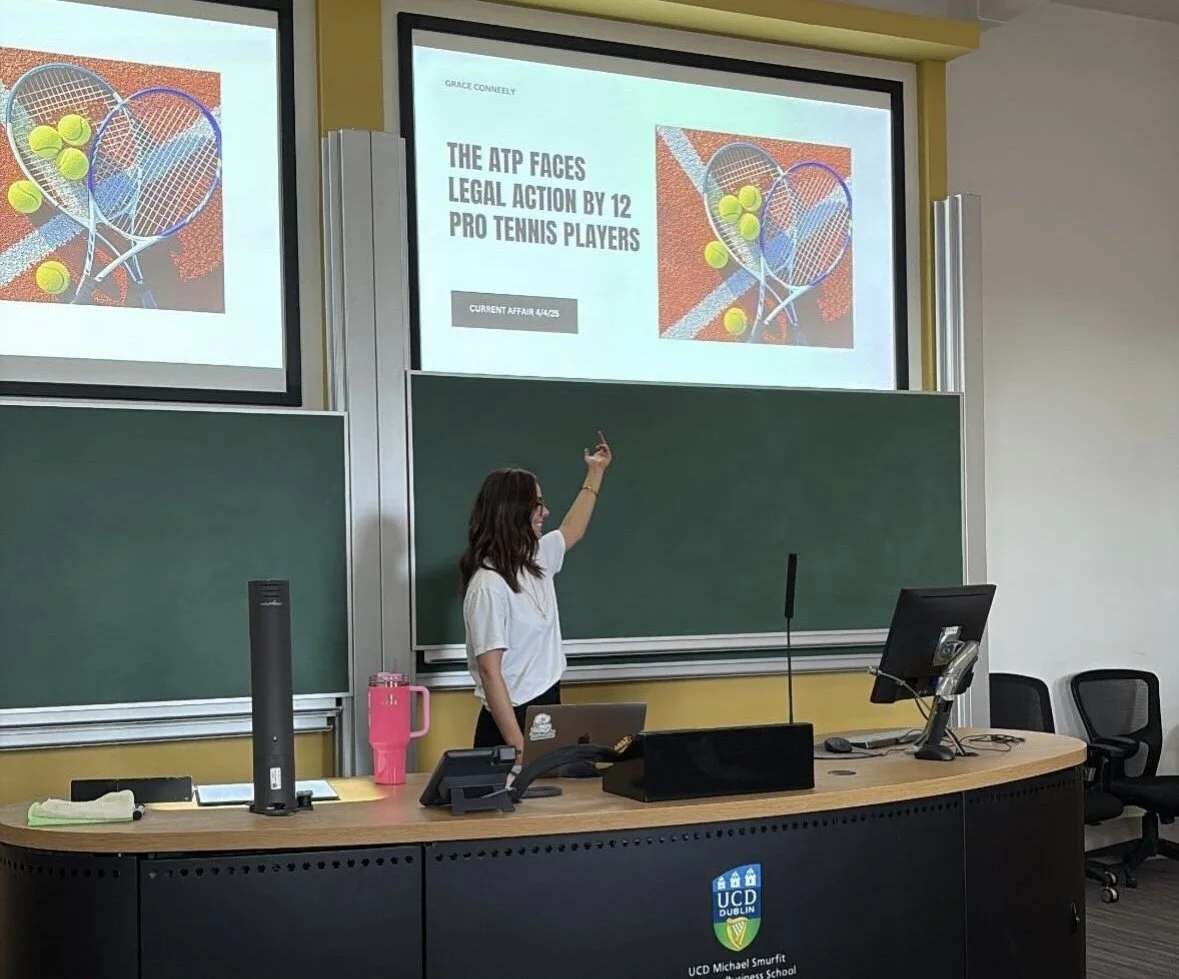
Professional Development
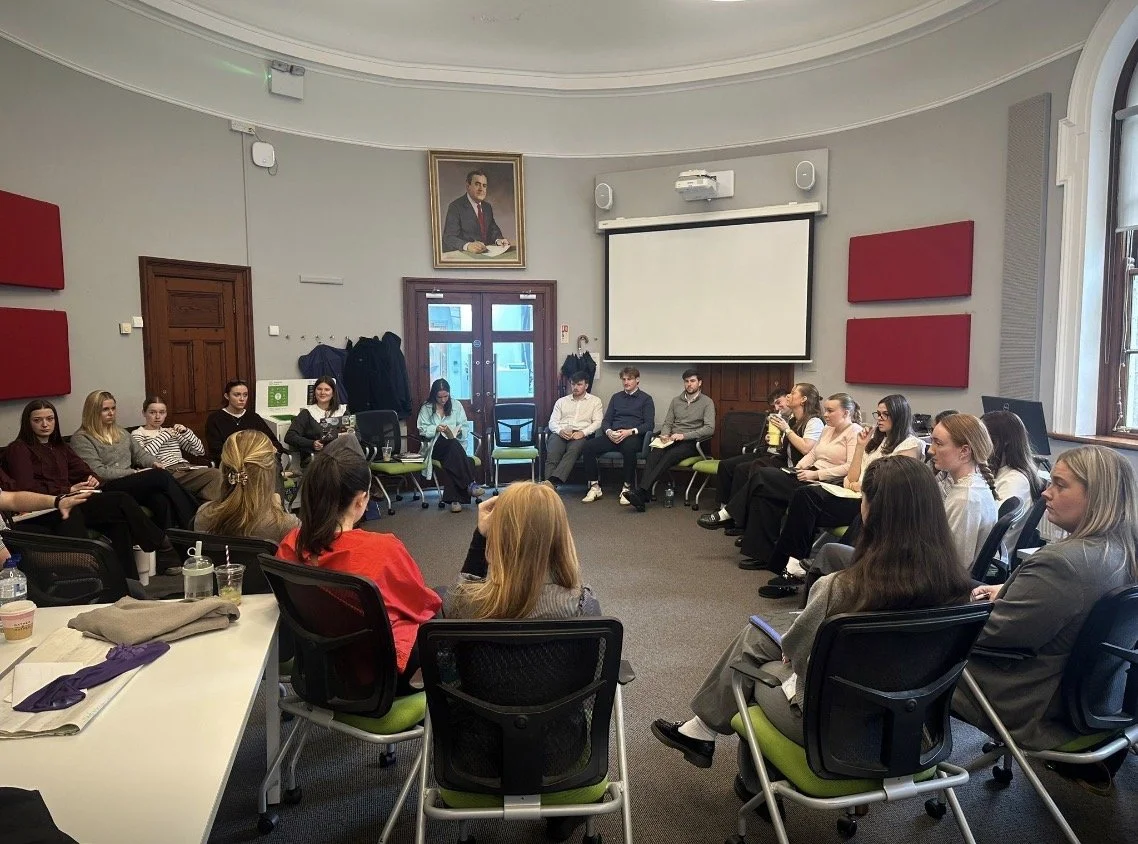
This is a year long module. Students, acting as Marketing Advisors to firms and organisations, will learn professional skills related to the practice of marketing. Professional development embraces the principle for action learning and actively encourages action to fail, as well as succeed.
Learning outcomes include:
1.Operate effectively in teams and demonstrate self-direction when completing projects.
2.Engage in personal and professional self-reflection with a view to identifying and developing further the skills needed to operate successfully in the global marketplace.
3.Students will learn via action learning, reflective learning, student presentations, active/task-based learning, and critical writing of self-reflection papers.

Applied Projects
This is a year-long module. Throughout the duration of the course, advisors work collaboratively on a diverse range of client projects. Clients range from start-ups and not for profits, to large multinational organisations. Students work closely with managers from an array of different industries, helping them to solve their problems. By working on client projects, students develop both professionally and personally. Students are given the opportunity to enhance many of their soft skills, including their client management, teamwork, presentation, and time management skills.
Semester Modules
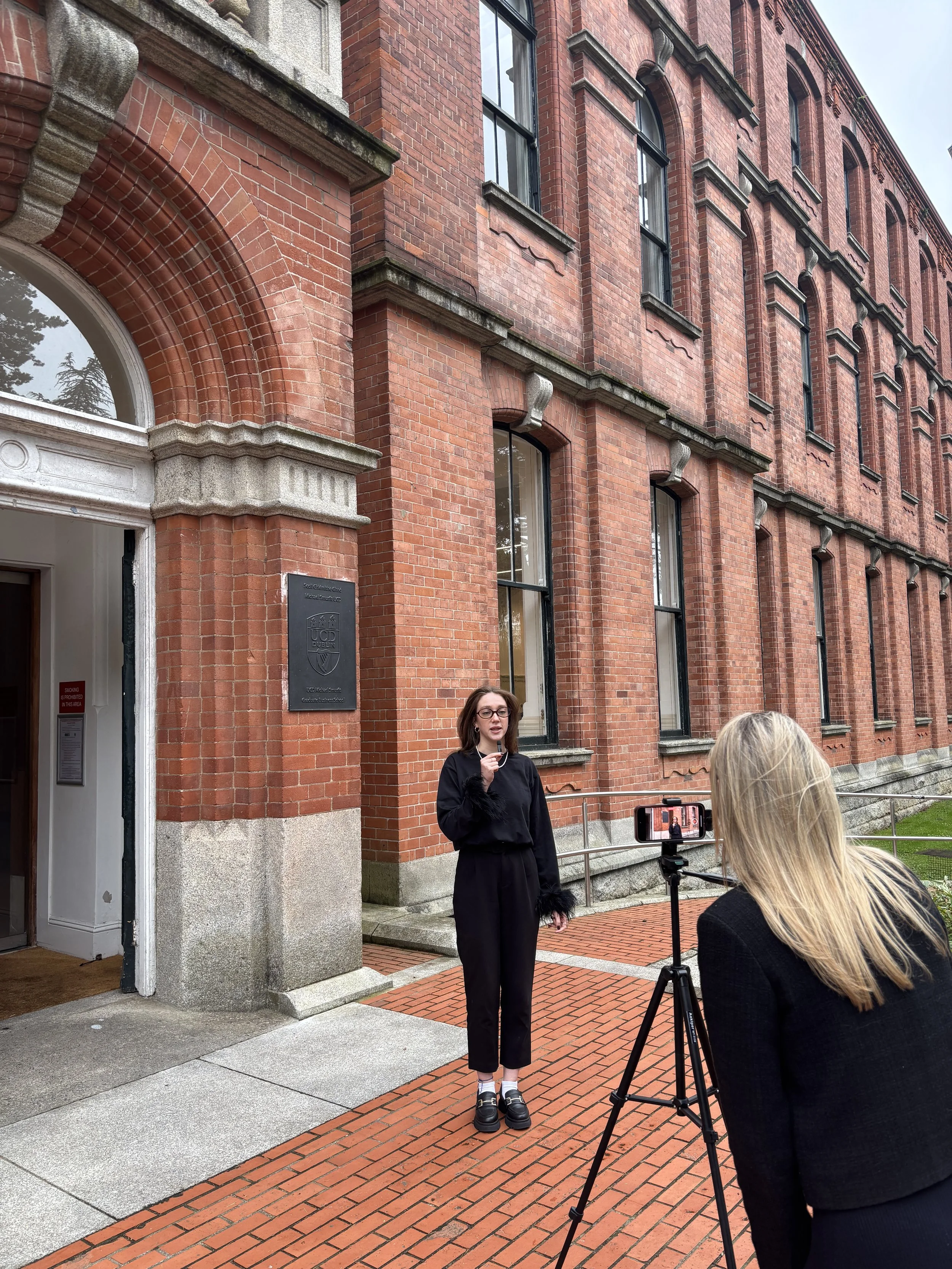
Digital Marketing
This module provides a comprehensive overview of the fundamentals of digital marketing. The focus of the course examines how businesses can use the internet and other digital media technologies to support their marketing goals. The module introduces participants to digital marketing principles, strategy development and digital marketing implementation and practice including social media marketing techniques.
Learning outcomes include:
1. Understand the changing mix of marketing communications from traditional to online.
2. How to develop an integrated marketing communications strategy including digital marketing.
3. Develop practical skills in applying digital technologies.
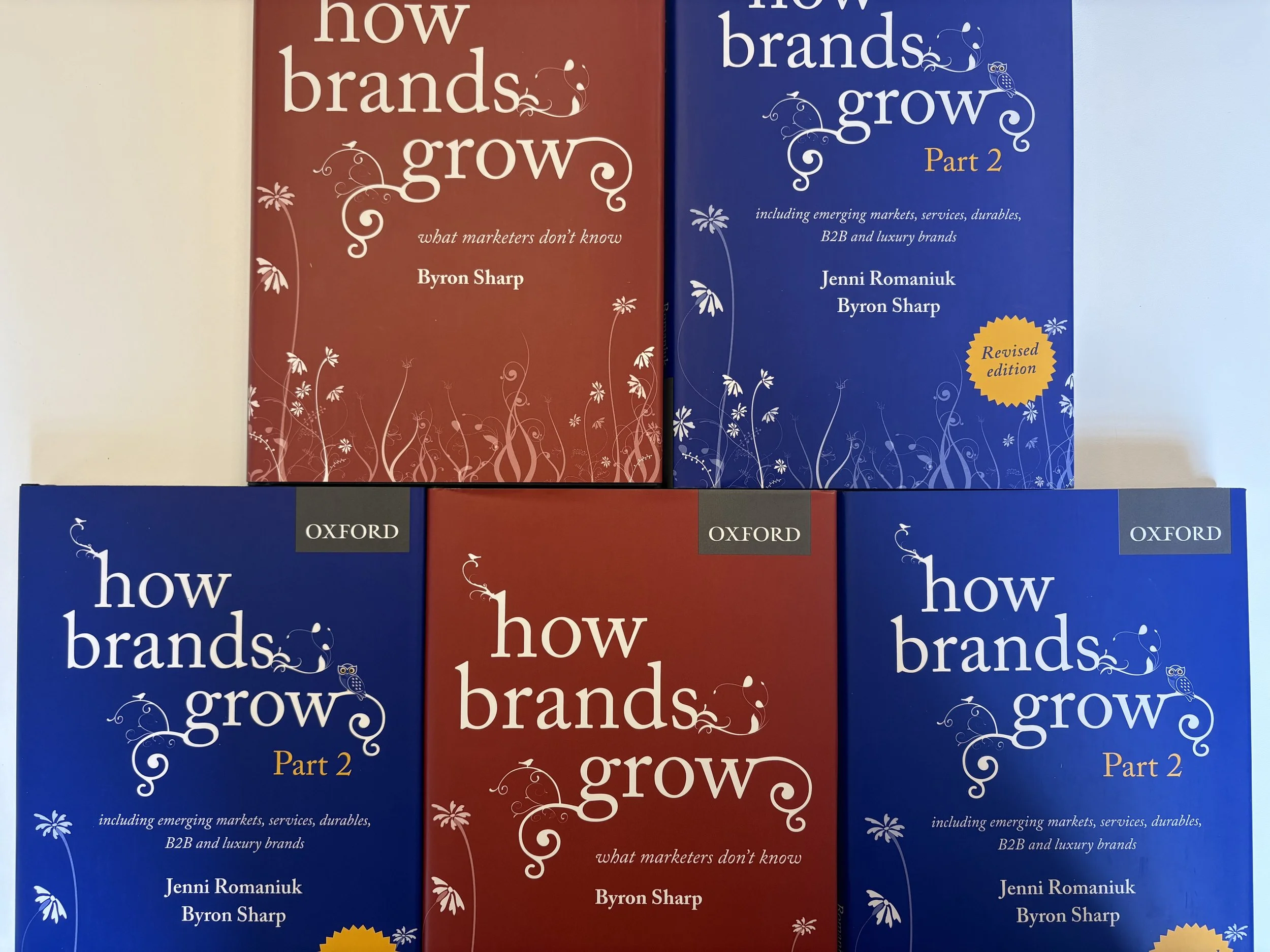
Brand Management
The aim of this module is to provide a comprehensive understanding of how well branded goods and services can increase market share, maintain a premium price and deliver more profitable returns. It will cover the history of branding since the late nineteenth century when the first consumer brands were launched to branding in the digital age. Case histories of famous brands will be discussed and analysed. Profitable brands are created by innovative marketing promotional campaigns using a range of marketing communication channels from traditional media to digital platforms and from public relations, sponsorship and embedded marketing to experiential and influencer marketing. The relative merits of these channels will be examined.
Learning outcomes include:
1. Analyse market position of products/services using relevant strategic frameworks
2. Develop branding strategies to maximise growth across diverse organisation types
3. Design integrated marketing communications aligned to strategic objective.
4. Evaluate branding in non-traditional contexts, including nations, charities, and institutions

Consumer and Market Insights
A research module specifically using the technique of Action Learning. The purpose of the module is to allow graduate students to develop original insights on the practice of marketing based on acting as marketing professionals for client organisations. The opportunity to apply theories and tools in the graduate classroom is to the fore.
Specific content covered includes:
Understanding and negotiating clients needs
Building effective client proposals
Building customer insights
Developing effective marketing strategy from customer insights.

Strategic Marketing Management
Strategic Marketing Management is a business philosophy which puts the customer at the centre of the business.It is the ability of the organisation to organise itself to meet the current and future needs of customers more than effectively than its competitors. It requires a range of skills on the part of the strategic strategic marketing manager and it requires the organisation to adopt a carefully thought out systematic approach with clearly articulated objectives. Strategic Marketing Management integrates different aspects of marketing activity within the organisation including segmentation, positioning, competitive strategy, new product development, brand management, communications, pricing and distribution.
Learning outcomes include:
1. To demonstrate how marketing can and should be at the heart of a corporate strategy.
2. To familiarize students with the different contexts in which strategic marketing management can and should occur.
3. To help students develop the analytical and creative skills required to become innovative strategic marketing managers.
4. To show how different market contexts and competitive positions call for different strategic responses.
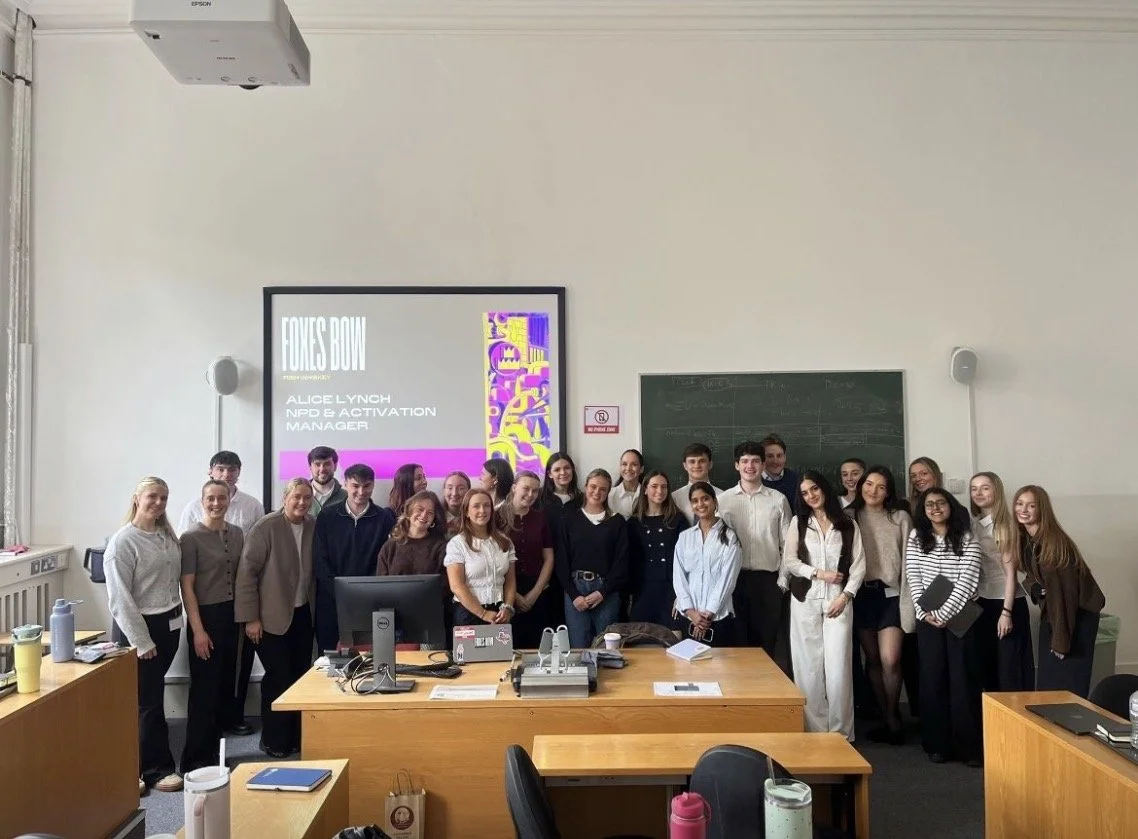
Launching New Products
This course is designed to equip participants with a thorough knowledge of the process involved in successfully launching new products and services to market. The role of innovation is key to building long term success of a business and brands and future-proofing business strategies for an ever changing enviornment. Launching and sustaining successful innovations to a market is difficult and success is never guaranteed. However, understanding various critical steps involved in getting a product to market is a vital skill for any marketer. This course is designed to walk participants through the various stages of product launch strategies. Throughout the course, participants will crtitically explore launches of products abd brands from various sectors and industries in order to understand drivers of product-launch success as well as the reasons for failure.
Professional Development Business Building
A research module specifically using the technique of Action Learning. The purpose of the module is to allow graduate students to develop original insights on the practice of marketing based on acting as marketing professionals for client organisations. The opportunity to apply theories and tools in the graduate classroom is to the fore.
Specific content covered includes:
Understanding and negotiating clients needs
Building effective client proposals
Building customer insights
Developing effective marketing strategy from customer insights.